
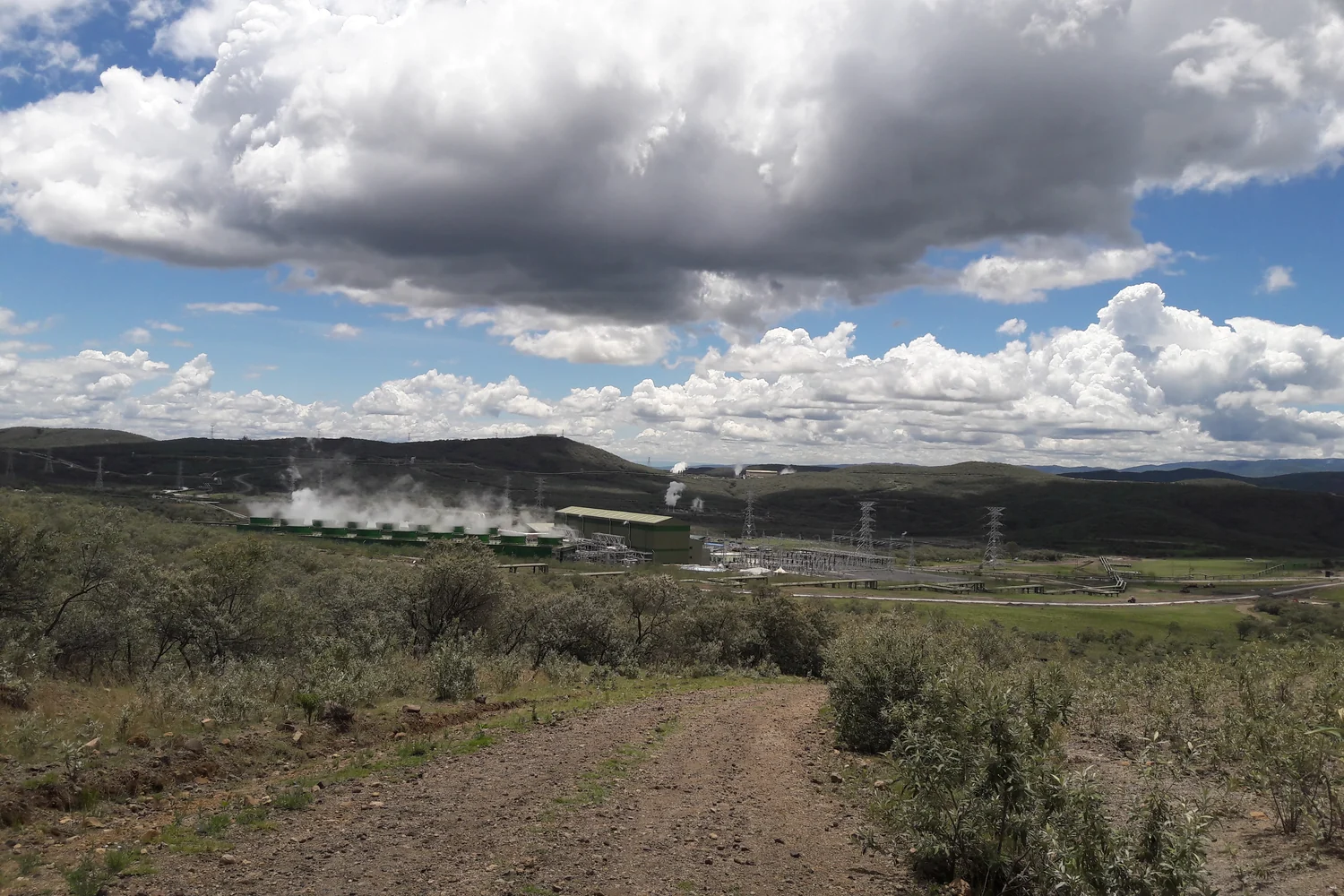
East Africa continues to face urgent demand for infrastructure development, with energy remaining one of the most important needs. The region has significant untapped energy resources, but electricity access and clean cooking remain major concerns, especially in rural and remote communities.
Governments, development finance institutions and international donors have increased their focus on rural electrification and renewable energy. Solar, wind, hydro and geothermal projects all present opportunities for private investment and regional growth. At the same time, energy construction projects in East Africa face recurring risks that can delay, distress or cancel projects.
Six recurring pitfalls are payment arrears, cancellation of agreements, changes in laws and policies, lack of long-term financing, land-owner risk and currency risk.
Delayed payments can quickly distress projects. Cancellations or licensing delays may follow economic uncertainty or policy shifts. Legal and policy changes can increase the burden on sponsors and investors. Short financing tenors and high lending rates can affect bankability. Land disputes can delay project commencement. Currency depreciation can increase debt repayment and imported-material costs.
Projects are more likely to succeed where risks are identified early, allocated properly and managed cooperatively throughout the lifecycle. Strong contracts, practical stakeholder engagement and disciplined financing structures can help transform energy opportunities into bankable, deliverable infrastructure.
The views expressed in this article are Paula’s own and do not necessarily represent those of her employer or any affiliated organisation.